Discover Kobeque
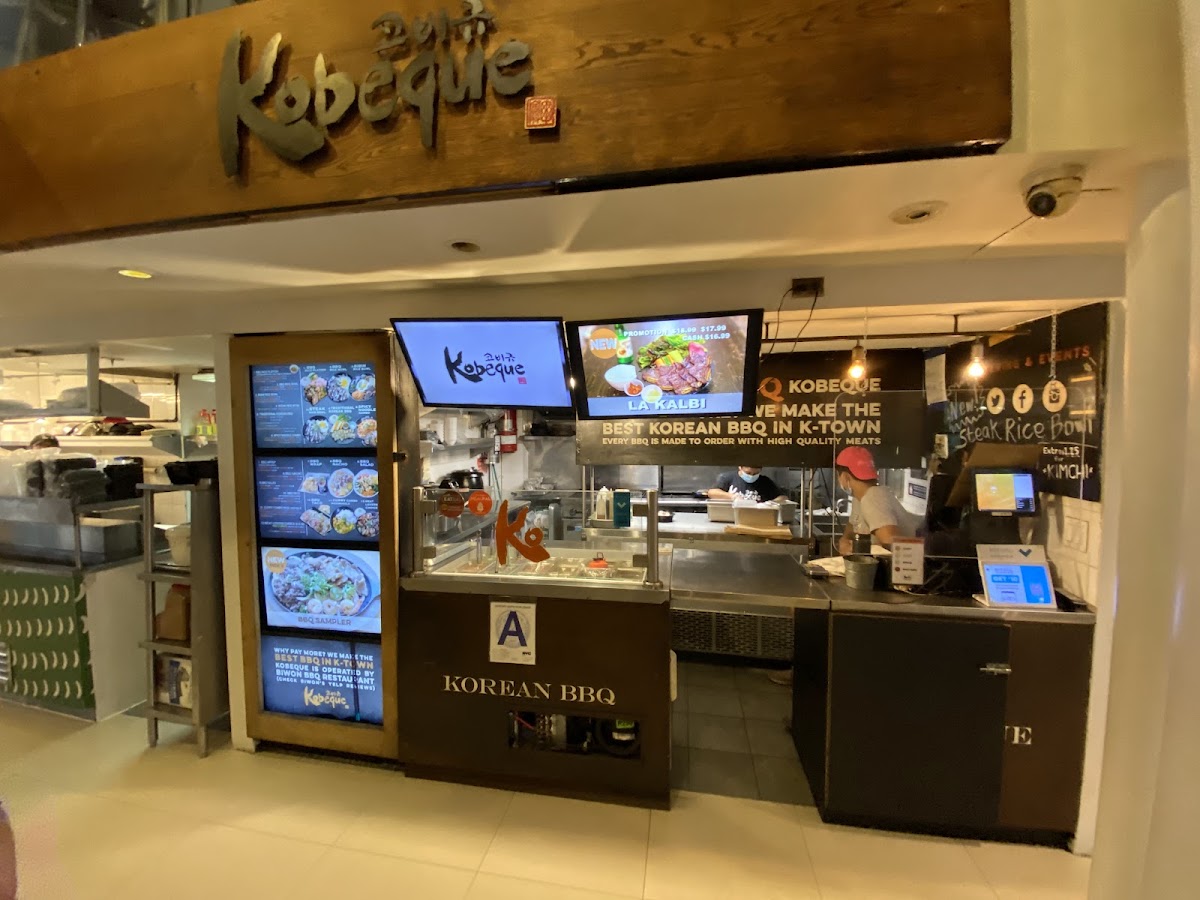
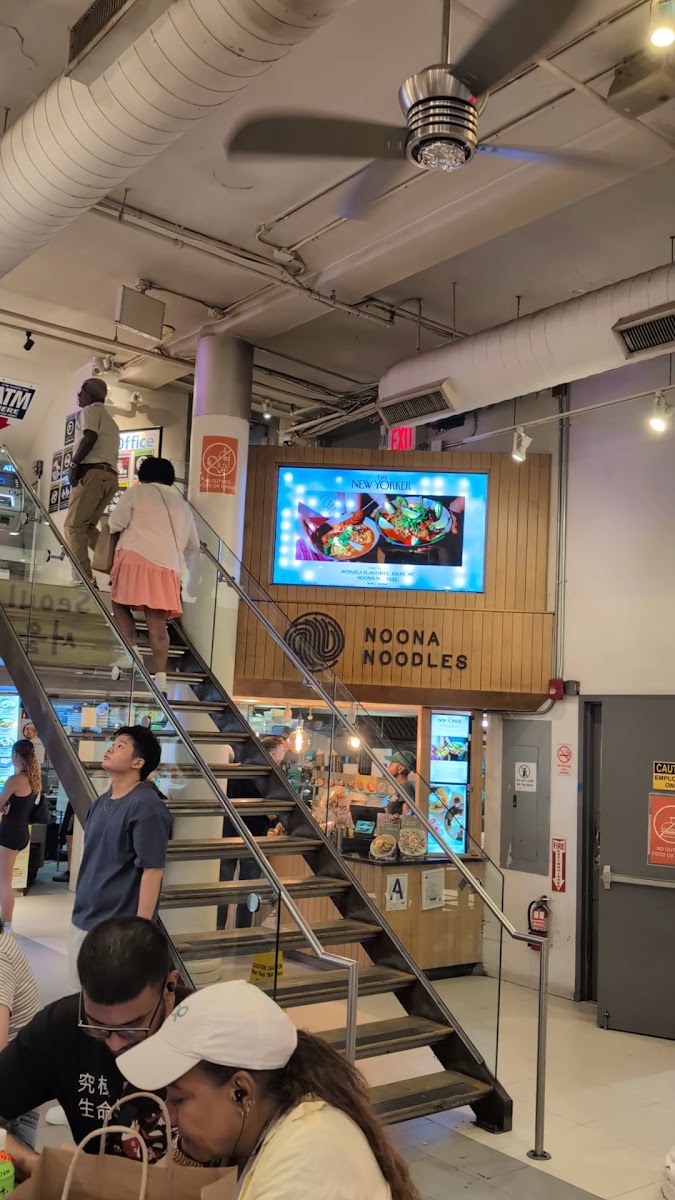
Walking into Kobeque for the first time at 11 W 32nd St, New York, NY 10001, United States, you immediately notice the steady hum of conversation mixed with the sizzle of meat hitting a hot grill. I stopped by on a rainy weekday evening after a long shift nearby, and within minutes it felt like the kind of place you could linger without checking the time. The dining room is casual but lively, and the staff moves with the calm efficiency that usually comes from real experience rather than scripted service.
What stands out most is the menu and how it’s built around tableside grilling. Each table has its own grill, and the servers guide you through the process without hovering. On my visit, the short ribs arrived beautifully marbled, and the server explained why the cut is traditionally cooked slowly to let the fat render evenly. That attention to detail matters. According to research from the USDA on beef quality grades, marbling directly affects tenderness and flavor, which explains why these cuts taste so rich when handled properly. You can see that knowledge applied in real time here.
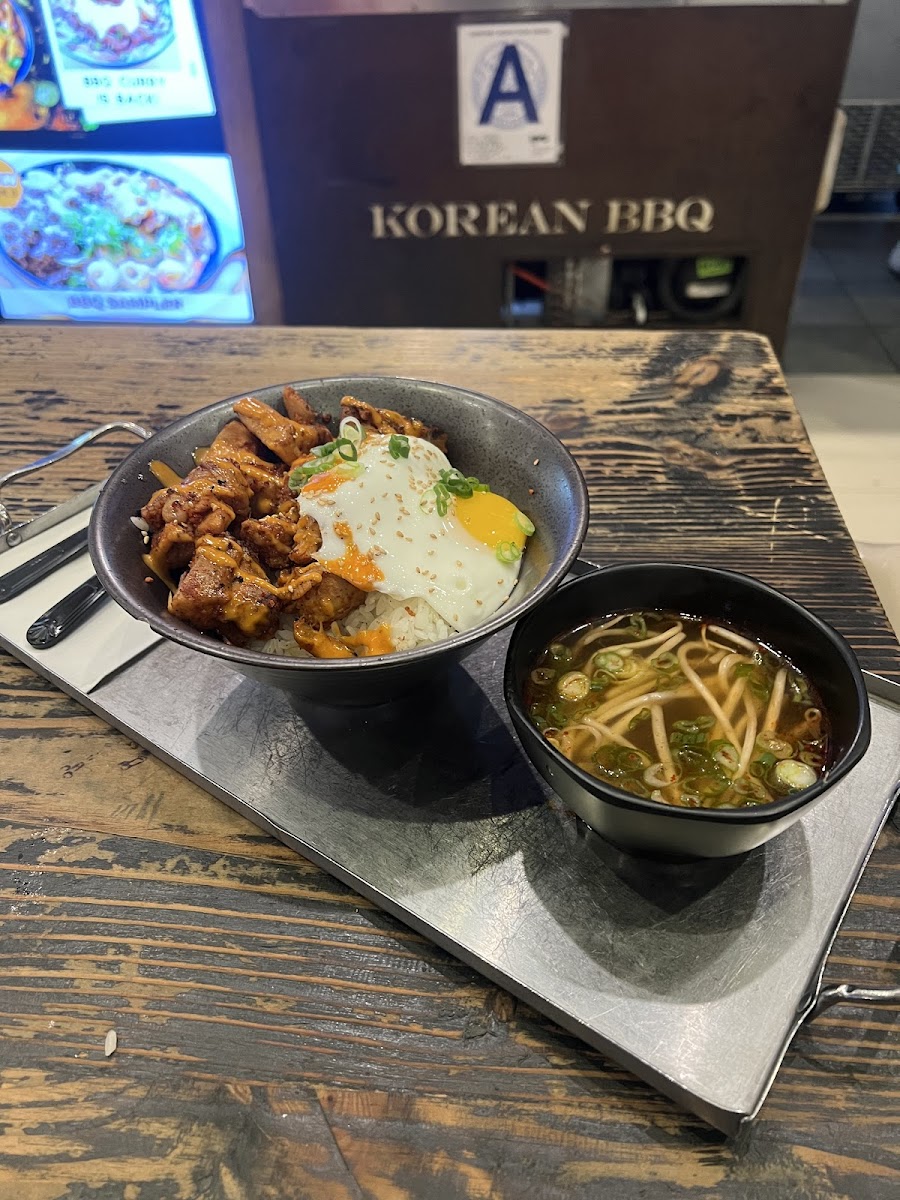
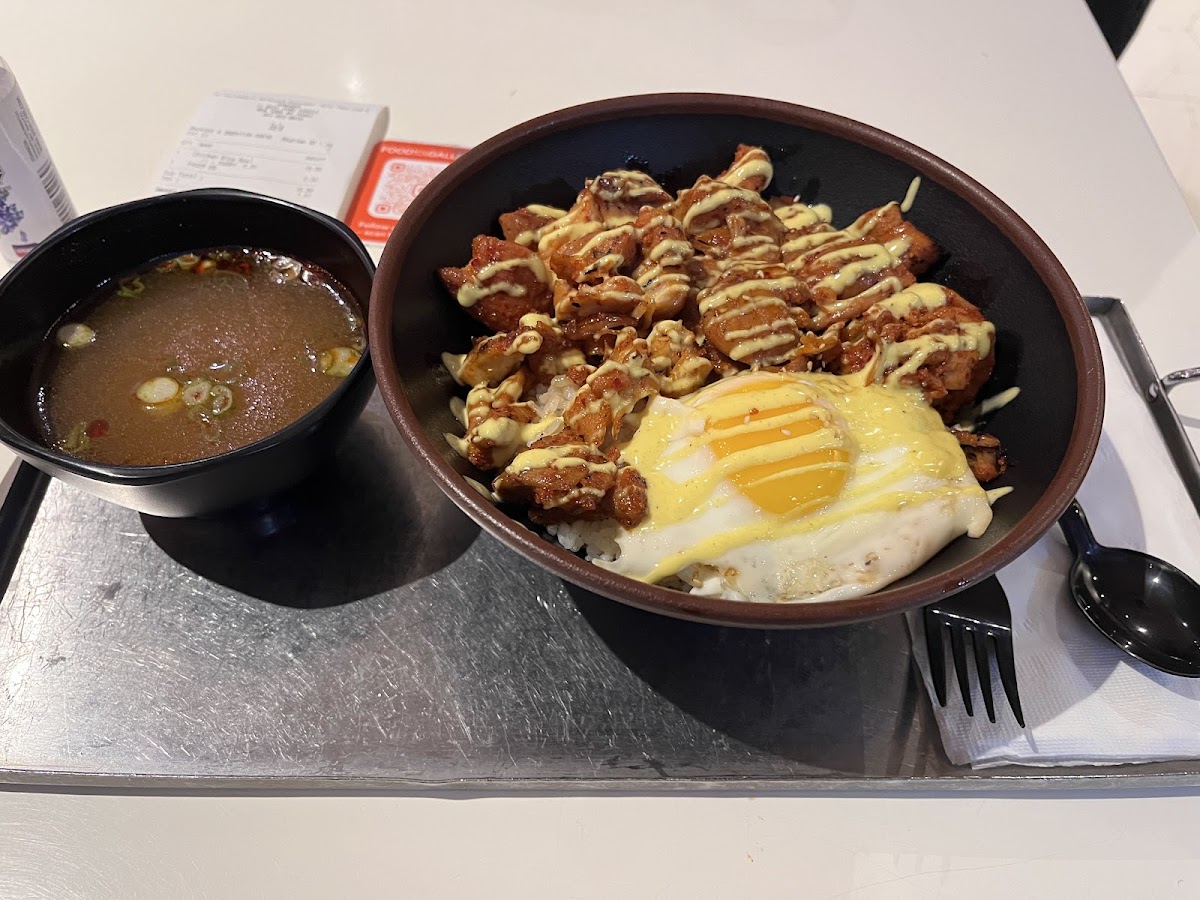
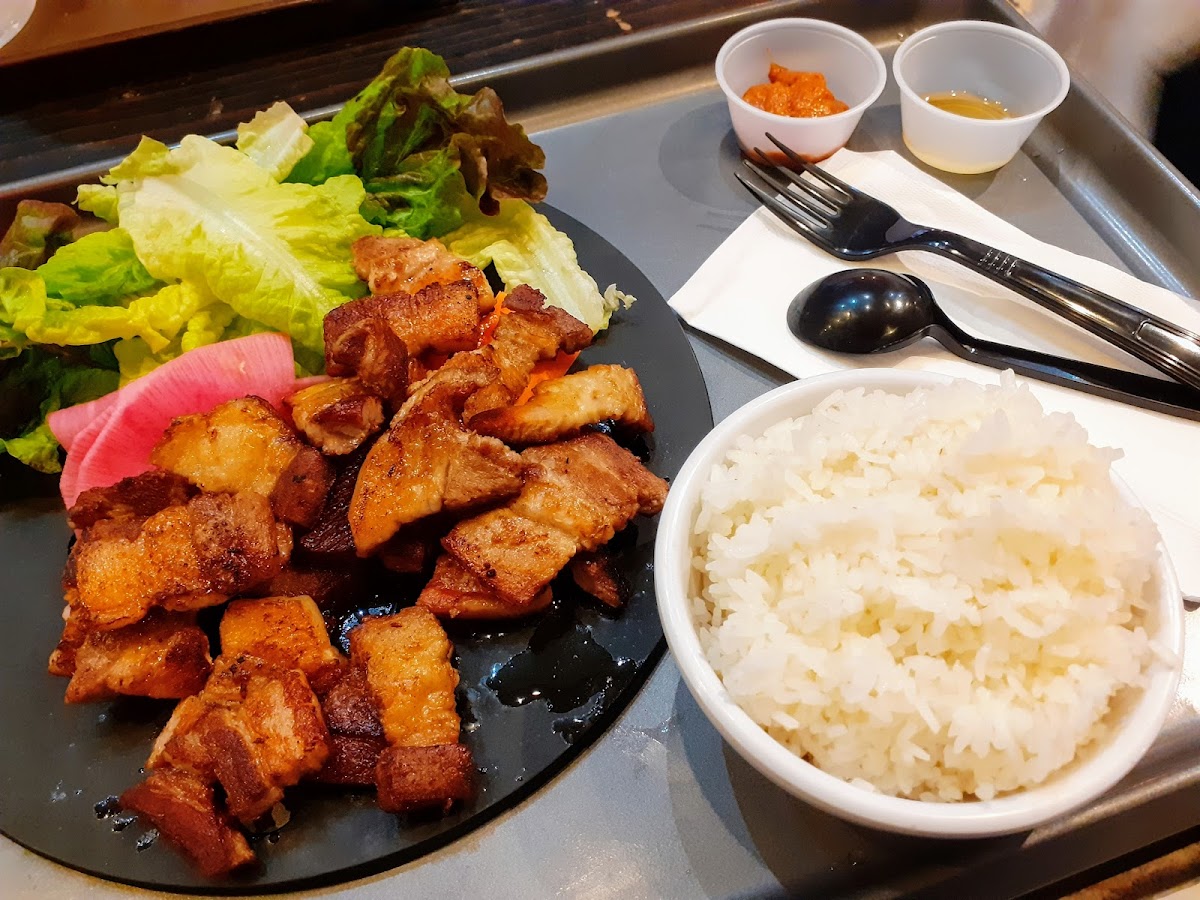
The menu balances classic Korean barbecue staples with approachable options for first-timers. Thin-sliced brisket, spicy pork belly, and marinated chicken all come out fresh, not pre-grilled, which keeps the experience interactive. I watched a nearby table celebrate a birthday, laughing as they tried flipping meat for the first time. It’s that shared cooking moment that turns dinner into an event. Side dishes, or banchan, rotate slightly depending on availability, and that flexibility reflects how many Korean kitchens actually operate rather than locking into a rigid list.
I’ve eaten Korean barbecue in several cities, and one thing I pay attention to is ventilation. Poor airflow can ruin an otherwise great meal. Here, the smoke extraction works well, which isn’t accidental. Restaurant design studies from organizations like the National Restaurant Association highlight proper ventilation as key to guest comfort, especially for grill-based concepts. You leave smelling like dinner, sure, but not overwhelmed by it.
Reviews from regulars often mention consistency, and that matched my experience. I returned a month later with coworkers, ordered the same beef combo, and the quality held up. That kind of reliability builds trust, especially in a city where diners have endless choices. The staff also handled dietary questions confidently, clearly explaining marinades and spice levels, which shows real product knowledge rather than guesswork.
Location plays a role too. Sitting near Herald Square, it’s an easy stop after shopping or before catching a train. The restaurant attracts a mix of locals, office workers, and tourists, which says a lot. Places that only cater to one crowd tend to fade, but this spot adapts. During lunch hours, portions are slightly quicker and lighter, while dinner leans into the full barbecue experience. That flexibility is a smart operational choice I’ve seen discussed by hospitality experts who emphasize matching service style to guest timing.
No place is perfect, and it’s fair to say that wait times can stretch during peak hours. Reservations help, but walk-ins may need patience. That said, the pacing once you’re seated feels intentional rather than rushed, which many diners appreciate. Information on sourcing is shared when asked, though not every detail is posted publicly, so those looking for deep transparency may want to speak directly with the staff.
Overall, the experience blends hands-on dining, knowledgeable service, and a menu that respects tradition while staying accessible. It’s the kind of restaurant you recommend not because it’s trendy, but because it delivers a satisfying meal you’ll remember-and probably want to repeat.